.jpg)

Kelp (Laminaria Digitata)
Kelp, known as a foundation species, but also a true architect of the ocean. Kelp has a number of significant uses and is a major producer that alters the ocean ecosystem. They shield our shorelines from storms by absorbing some of the wave force. It purifies the water. It absorbs 600 million tonnes of carbon annually worldwide, which is crucial in halting climate change. However, it is also one of the most productive ecosystems in the world, providing support and adequate habitat for a wide variety of species, many being of commercial significance.
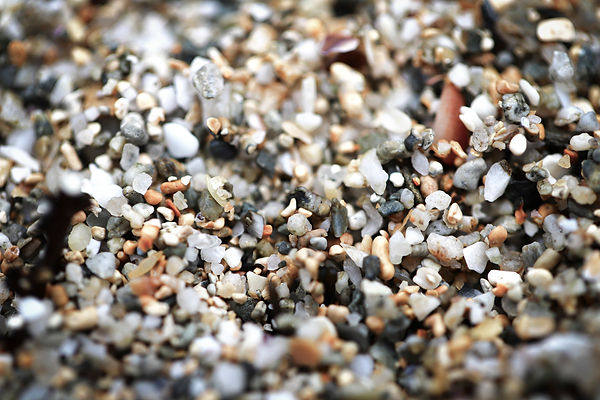
Sand
Sand, a naturally occurring substance made up of tiny, loose rocks and mineral particles. This substance serves as a massive filter by removing tiny particles of algae and other organic matter, by doing this it provides an energy source for the beach community. The location and geologic conditions in which it occurs can have an impact on the composition of this substance, but regardless of location, this substance serves as a substrate for varied marine plants and creatures, making it an architect of the ocean.

Common Limpets (Patella Vulgate)
Common Limpets (Patella Vulgate), known for their shells and not their lives. Whenever observed these architects of the ocean go unnoticed since beachgoers simply look at their shells without considering that they are living things. This implies that whenever they are noticed, many people want to pick them up, disturbing the creature. However, if they are unable to take them, they are left without a second thought. Nevertheless, this overlooked species is crucial because it consumes algae, avoiding the build-up of that substance while also providing food for other marine animals, including wrasse. They also leave behind tracks, but unless beachcombers are aware of this species, they do not correlate this with this creature, further demonstrating how poorly understood they are.
The Architects of The Ocean
The Architects of The Ocean project is dedicated to exploring and highlighting the often-overlooked marine plants and animals that play crucial roles in shaping marine ecosystems. While charismatic megafauna such as whales, dolphins, and large fish often capture public attention, the essential contributions of smaller, less visible organisms are frequently ignored. This project aims to elevate awareness of these vital components of marine biodiversity.

Mussels
Mussels play a key role in aquatic environments and are considered to be "ecosystem engineers" because they modify aquatic habitat, making it more suitable for themselves and other organisms.
One of the valuable functions performed by mussels is capturing organic matter from the water column when they siphon, processing it to build body and shell, excreting nutrients that are immediately available to plant life and then depositing the remaining organic material to the sediment making it available for other invertebrates and fish to consume. During this feeding process, the mussels "clean" the water they live in by removing phytoplankton and the bacteria and fungi that are attached to the non living organic particles they have removed from the water column. Other undesirable particles and chemicals are bound in the mussels' pseudo feces and deposited on the river bottom.
The mussel's shells provide an important substrate for algae and insect larvae to attach to. When mussels are present in large numbers, they may become underwater gardens that in turn attract fish to feed, including their host fish. Because mussels firmly anchor themselves to the lake or stream bed, they may actually stabilize the lake or stream bottom, thus minimizing the scouring affects of floods and wave action.
Mussels are also an important food source for several different kinds of terrestrial and aquatic animals, including muskrats and raccoons, as well several species of fish.

Honeycomb Worms (Sabellaria Alveolate)
Honeycomb Worms (sabellaria alveolate), a true architect of the ocean. These animals, which mostly inhabit our shorelines, settle on hard substrates, and construct their protective tube homes out of sand and shell pieces creating a honeycomb-shaped structure. These animals are frequently disregarded and poorly respected as most people don't consider them to be living things, only a component of rocks or coastal defensive structures. However, they are essential to the environment of our seas because they are not only one of the main consumers of phytoplankton but also a source of food for many vertebrates and invertebrates.

Maerl (Phymatolithon Calcareum)
Maerl (Phymatolithon Calcareum) a hard seaweed known for its brittle skeleton. This seaweed forms spiky underwater carpets on the seabed, providing vital shelter to many smaller and varied marine creatures and plants as it allows them to burrow in the maerl gravel beneath the living beds. Although it is harvested on a small scale in some parts of Europe by dredging for use as a soil conditioner or for a variety of other purposes, such as a treatment for acidic drinking water, this architect of the ocean, whether it be alive or dead, has a significant impact on the stability and health of the environment in which they reside, making them both an architect of the ocean and an ‘ecosystem engineer’.